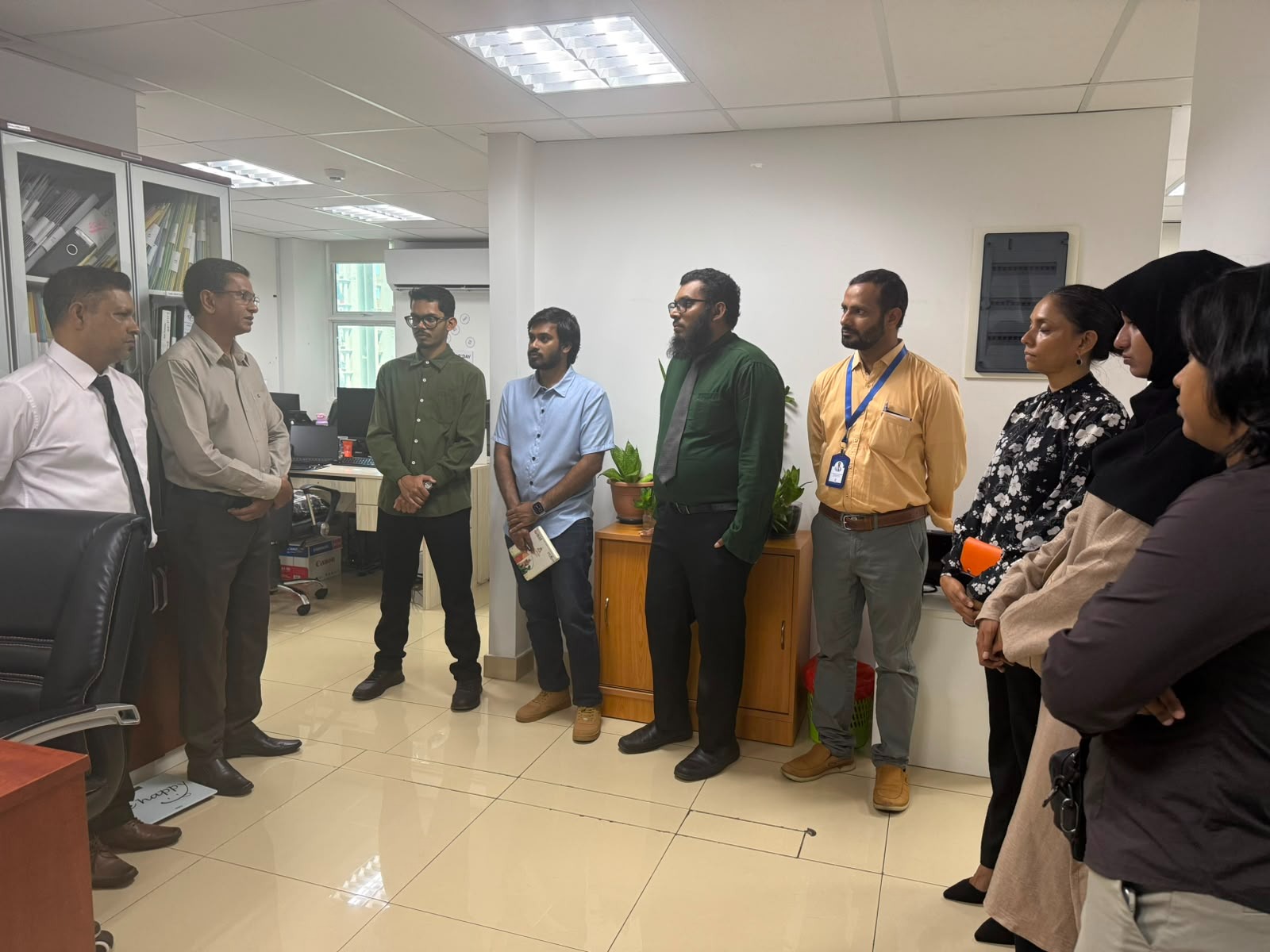
Villa College's Political Science and International Relations Unit, within the Faculty of Shariah and Law, organised an academic study tour to the Anti-Corruption Commission for students on the Political Economy and Corruption module. The visit gave students the opportunity to see how concepts covered in the module, including transparency, accountability, and corruption, apply within an actual public institution.
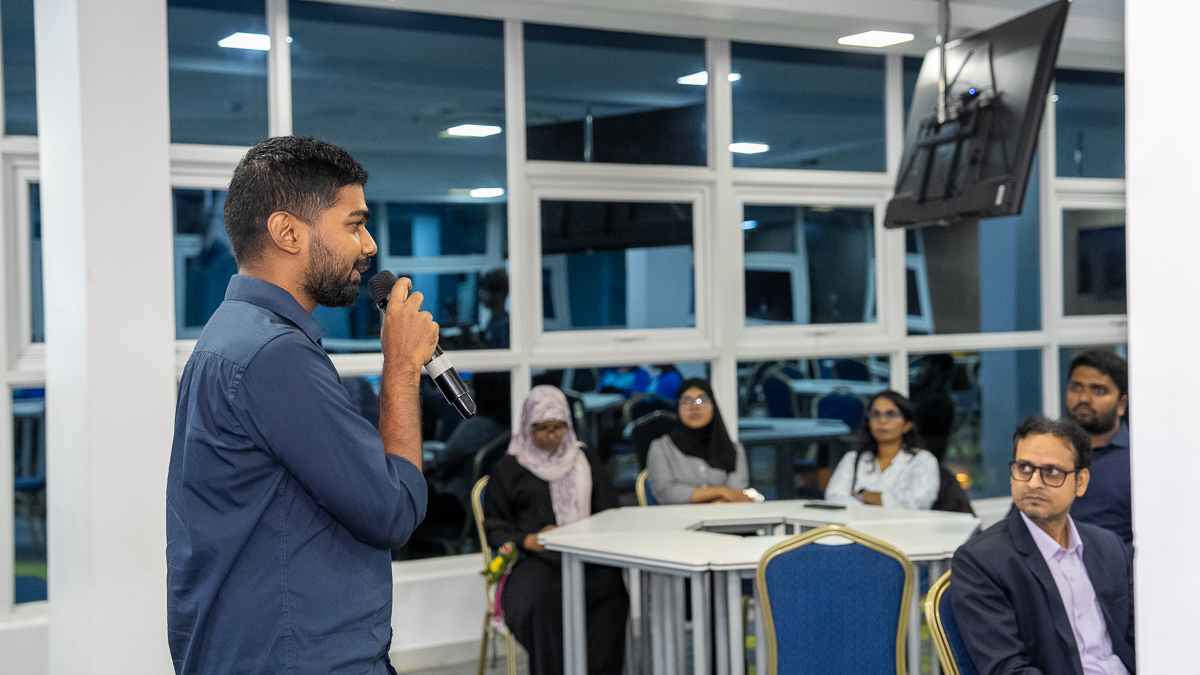
During the visit, students were introduced to several departments within the Commission and learnt about the legal and procedural frameworks that guide its work. A session led by experts deepened students' understanding of transparency, accountability, and public service.
Such visits also encourage students to think more critically about national challenges and give them exposure to professional environments they may enter after graduation. For students preparing for careers in law, public administration, or governance-related fields, this kind of exposure complements what they learn in the classroom.
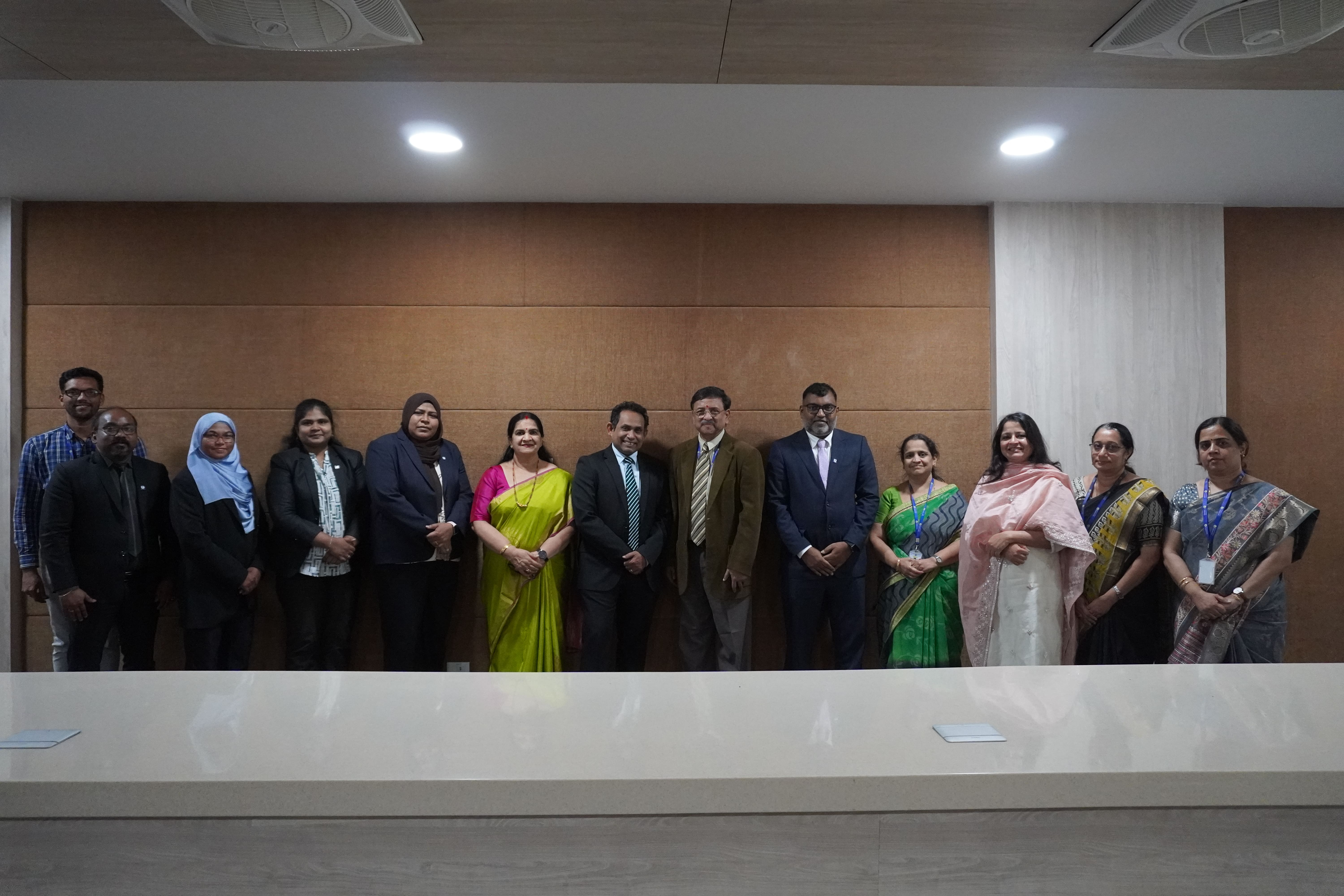
The visit was made possible through collaboration between the Faculty of Shariah and Law and the Anti-Corruption Commission. Villa College extended its appreciation to the Commission for hosting the visit and for contributing to students' academic and professional development.
The visit reinforced an idea central to the module: governance is not just something to study in a classroom. It depends on institutions, laws, and people carrying out their public duties, and it is best understood by engaging with those institutions directly. For Villa College, the visit reflects its ongoing effort to connect classroom learning with practical experience, helping students relate what they study to the institutions and professions they will work in.