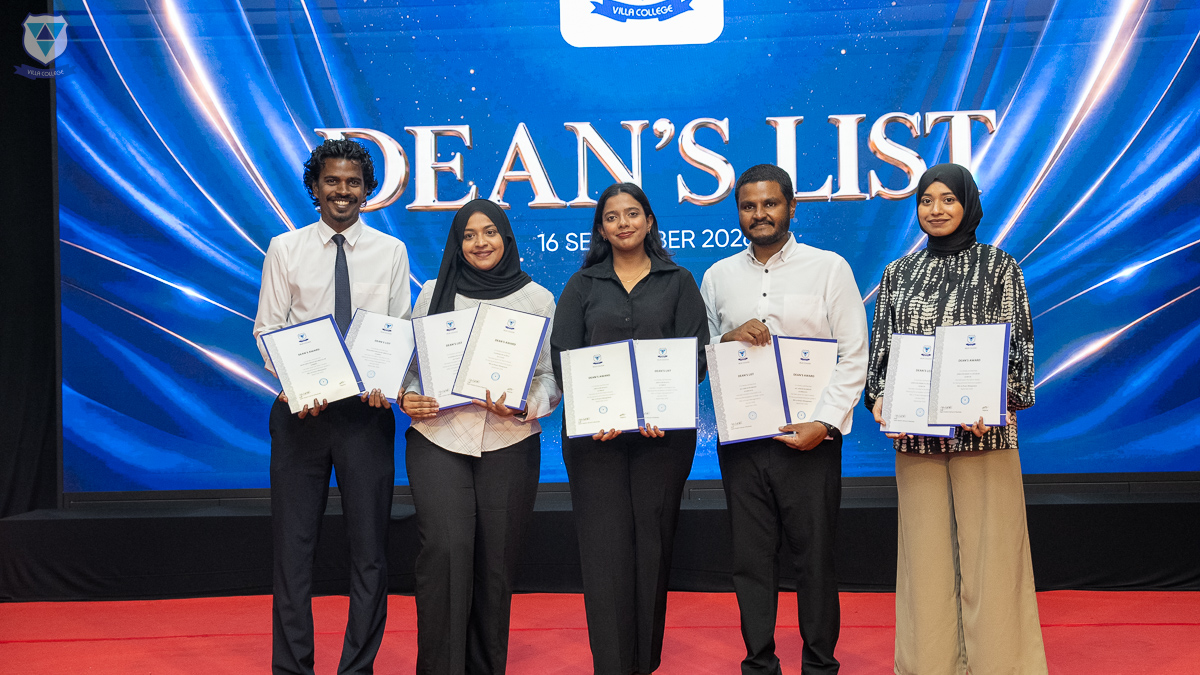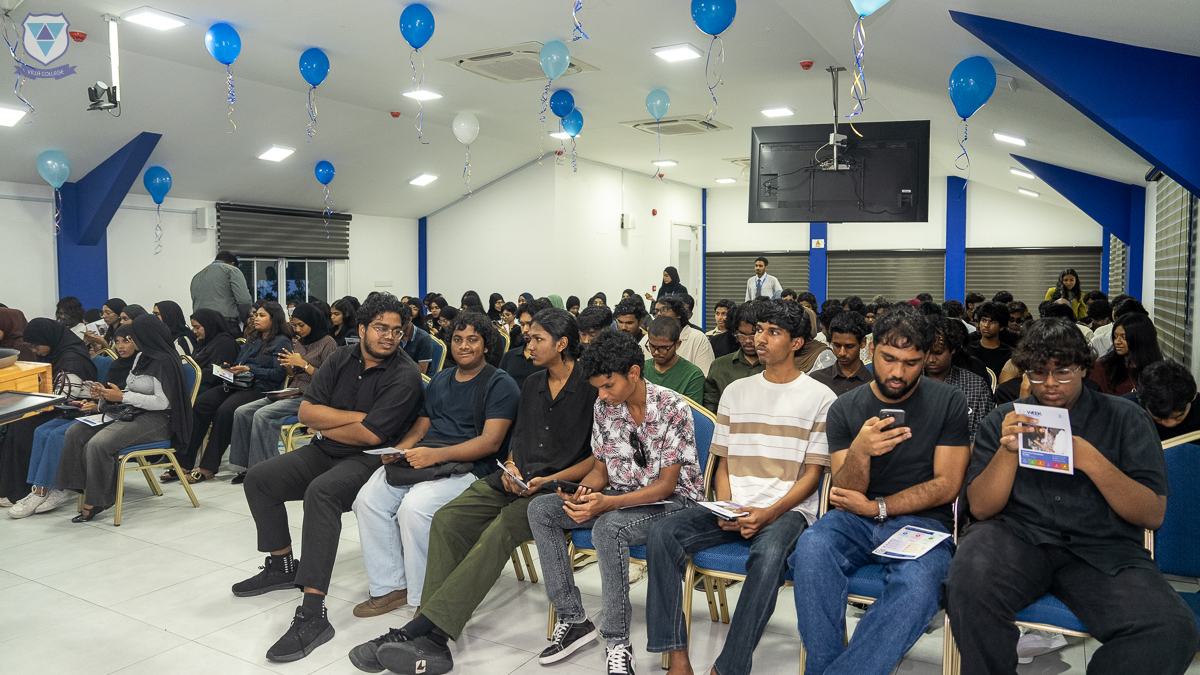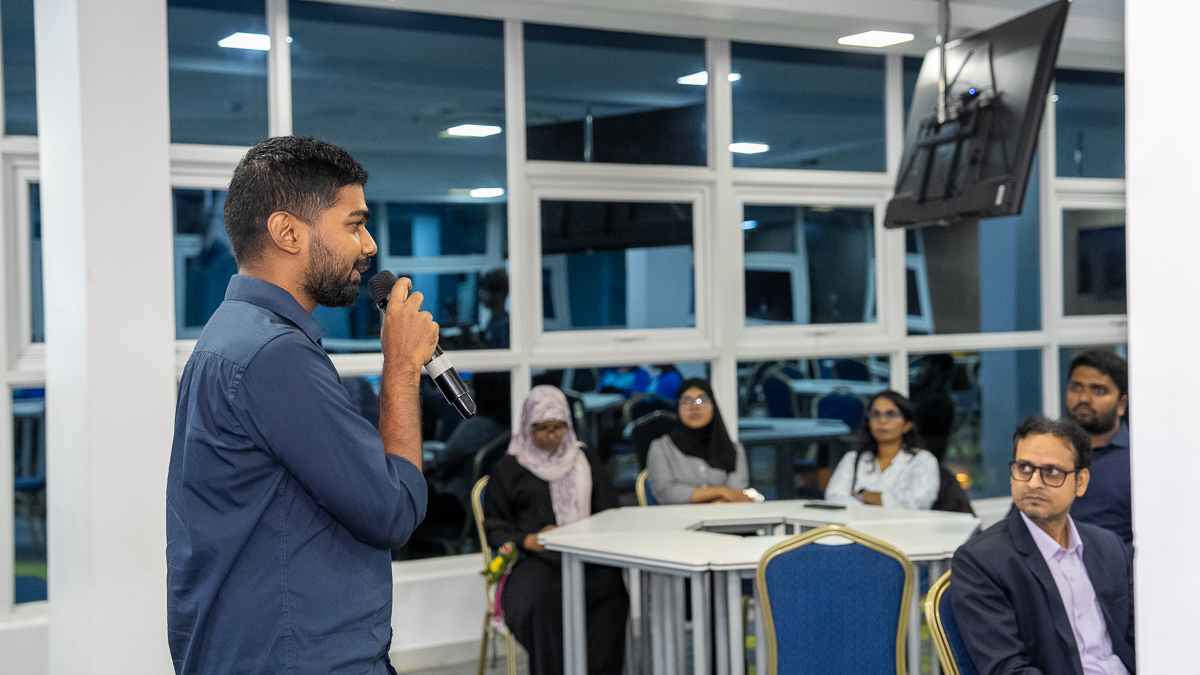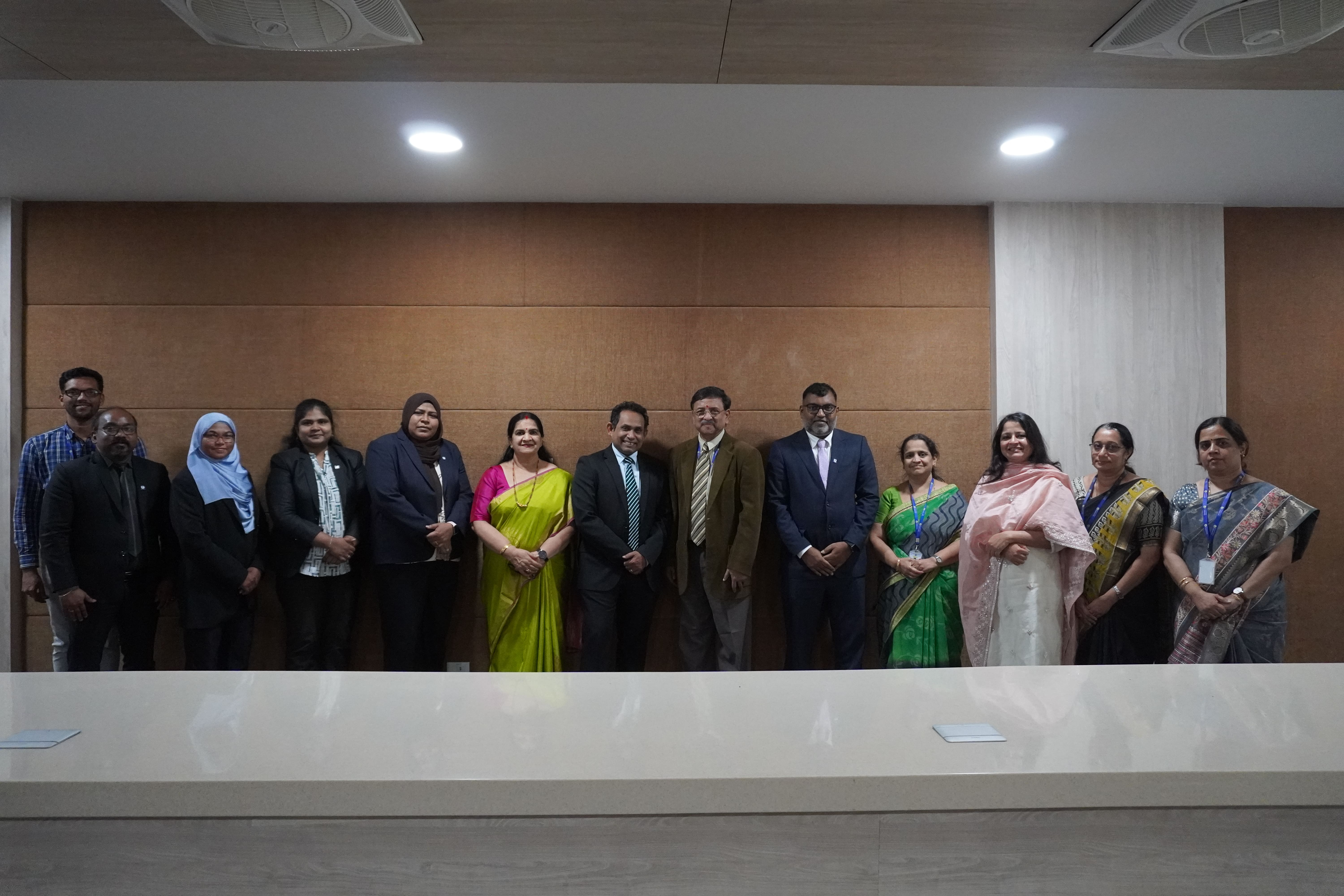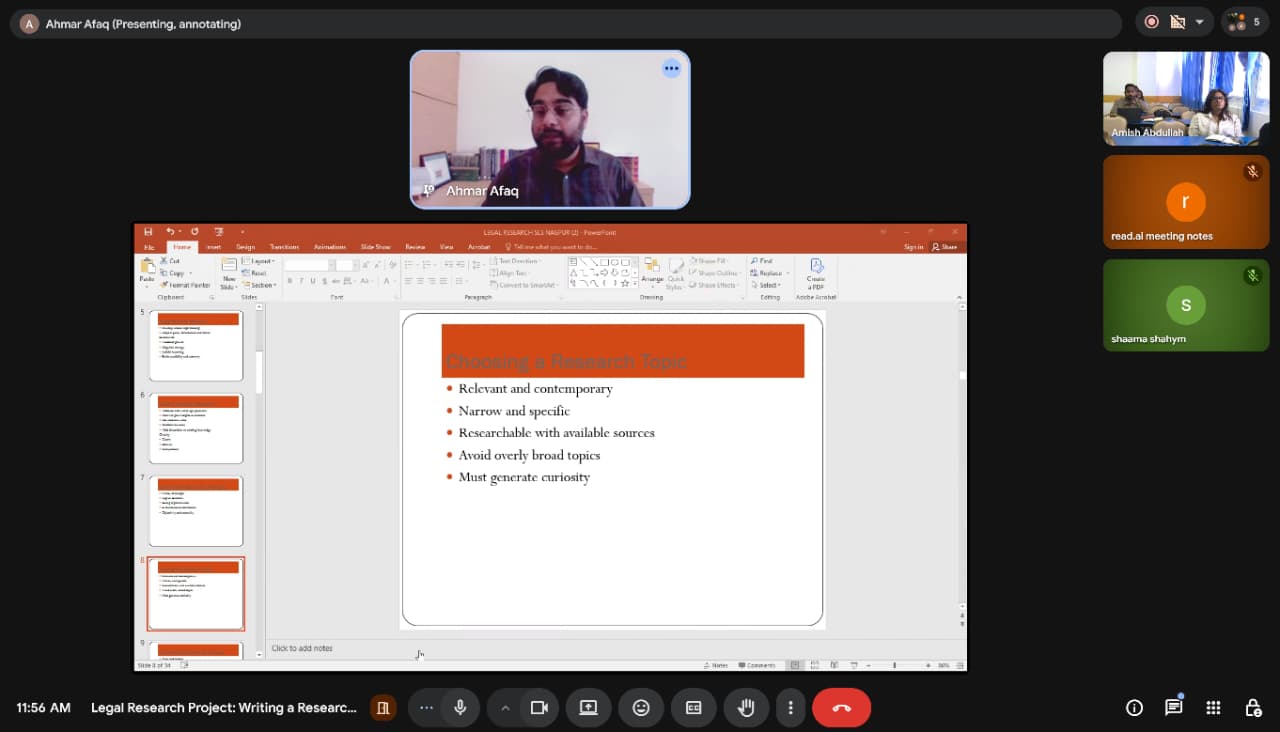
The Faculty of Shariah and Law at Villa College hosted Dr. Ahmar Afaq, Assistant Professor at Symbiosis Law School Nagpur, India, for a workshop on writing a research paper on 11 April 2026. Delivered as part of the Faculty's ongoing Law Lecture Series and embedded within the Legal Research Project module, the session was moderated by Lecturer Amish Abdullah of the Faculty of Shariah and Law.
The ability to produce a well-structured, rigorously argued research paper is among the most consequential skills a law student can develop. Legal scholarship does not simply document the law; it interrogates it, proposes alternatives, and contributes to the body of knowledge on which courts, legislators, and practitioners rely. Yet the gap between understanding legal principles and articulating them in a form that meets the standards of peer-reviewed scholarship is one that many students find difficult to navigate without structured guidance. Dr. Afaq's session addressed this gap directly, covering the architecture of a research paper, the formulation of a clear thesis, the coherent structuring of legal arguments, and the standards expected in peer-reviewed legal scholarship. These are not abstract competencies. A student who can construct a precise thesis and defend it through logically sequenced argumentation is better equipped not only for academic publishing but for the demands of legal practice itself, where the ability to build and present a reasoned case is fundamental.
The format of the session was as instructive as its content. Rather than delivering a conventional lecture, Dr. Afaq conducted the workshop as a structured interactive exercise, engaging students through discussion, question-and-answer exchanges, and practical activities. The distinction matters. Passive instruction, where students receive information without actively processing or applying it, tends to produce surface-level familiarity with a subject. Interactive formats, by contrast, require students to articulate their understanding, test it against the perspectives of their peers and instructor, and confront the specific difficulties they encounter in their own work. The source material notes that Dr. Afaq's approachable and conversational delivery created an open learning environment in which students felt comfortable raising questions and sharing their own research challenges. This is a meaningful pedagogical outcome in its own right; students who are willing to identify and discuss the areas where they struggle are students who are actively learning, not merely attending.
The workshop also represents a tangible outcome of a broader institutional relationship. Villa College and Symbiosis Law School Nagpur operate under a formal Memorandum of Understanding aimed at fostering internationalisation, knowledge exchange, and faculty exchange between the two institutions. Partnerships of this nature serve a specific strategic function in legal education. Law is increasingly shaped by cross-border dynamics, from international treaty obligations to comparative jurisprudence, and students who have access to academic perspectives from beyond their own jurisdiction develop a more versatile and informed understanding of legal systems. For a small island developing state such as the Maldives, where the legal profession must frequently engage with international frameworks, this kind of exposure carries particular practical value. The collaboration with Symbiosis Law School Nagpur ensures that Villa College students benefit from internationally diverse expertise as a regular feature of their education, not as an occasional supplement to it.
The Faculty of Shariah and Law extends its gratitude to Dr. Ahmar Afaq for his contribution of time and expertise, and to Symbiosis Law School Nagpur for their continued partnership in advancing legal education.